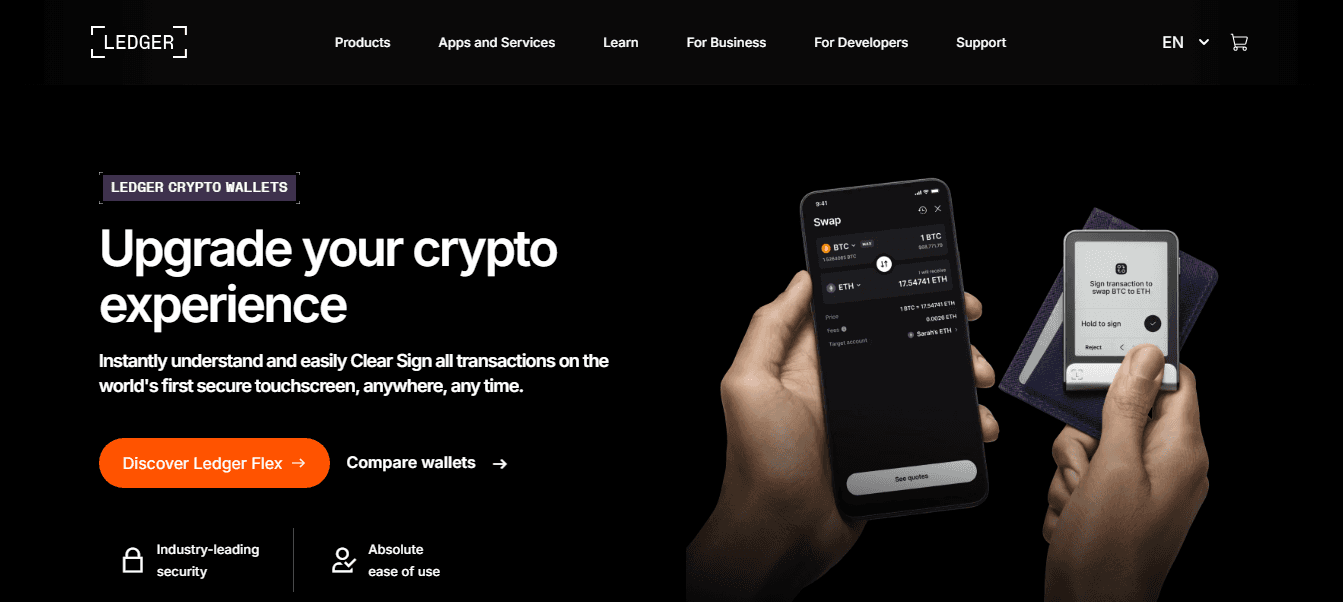
Ledger Live Login – The Complete 1000-Word Guide to Securely Access and Manage Your Crypto
Accessing your cryptocurrency safely starts with Ledger Live login, the secure gateway to your Ledger hardware wallet. Ledger Live is designed to give you full control over your digital assets while keeping your private keys offline and protected from hacks. This guide explains everything you need to know about Ledger Live login, from setup to advanced security practices, in a clear, step-by-step manner.
What Is Ledger Live?
Ledger Live is the official application for managing cryptocurrencies on Ledger devices such as Ledger Nano S Plus, Ledger Nano X, and Ledger Stax. It acts as a secure dashboard that allows you to:
View your crypto balances
Send and receive cryptocurrencies
Buy, sell, and swap assets
Stake supported coins
Install and manage apps on your Ledger device
Update device firmware
Ledger Live is available for Windows, macOS, Linux, Android, and iOS. It provides a secure interface while ensuring your private keys remain on the hardware device.
Understanding Ledger Live Login
Ledger Live login differs from traditional logins. Instead of using a username and password, login depends on physical access to your Ledger device and a PIN code.
How It Works
Connect your Ledger hardware wallet to your computer or mobile device.
Enter your PIN code on the Ledger device to unlock it.
Ledger Live syncs with your hardware wallet, displaying accounts and balances.
Any transaction initiated in Ledger Live must be approved physically on your device.
This approach ensures your crypto stays secure even if your computer or phone is compromised.
Why Ledger Live Login Is Secure
Ledger Live login is built with multiple layers of security:
Private keys never leave the device (offline cold storage)
Physical transaction confirmation prevents remote attacks
Secure Element (SE) chip protects against malware and hacking
Resistant to phishing attacks and fake software
Ensures full ownership of your assets, unlike exchange wallets
By using Ledger Live login, you maintain control over your crypto with minimal risk.
Downloading Ledger Live Safely
Before you can log in, you must download the official Ledger Live application.
Steps to Download
Go to the official Ledger website: ledger.com
Navigate to the Ledger Live download section.
Choose your operating system (Windows, macOS, Linux, Android, iOS).
Download and install the app.
⚠️ Important: Only download Ledger Live from the official website. Avoid third-party links or ads, as these may contain malicious software.
Step-by-Step Ledger Live Login
Logging into Ledger Live is straightforward if you follow the correct process.
Step 1: Connect Your Ledger Device
Use a USB cable or Bluetooth (for supported devices like Nano X and Stax) to connect your Ledger wallet.
Step 2: Enter Your PIN
Unlock your Ledger device by entering the PIN. This step ensures only the device owner can access the wallet.
Step 3: Open Ledger Live
Launch Ledger Live on your computer or mobile device. The app will recognize your connected Ledger and display all installed apps and accounts.
Step 4: Approve Transactions
Any action, including sending crypto, swapping tokens, or staking, requires physical approval on the Ledger device. This ensures security and prevents unauthorized transactions.
Ledger Live Login on Mobile Devices
Ledger Live mobile login uses Bluetooth connection and PIN verification for supported devices.
Mobile Features
Access full portfolio on the go
Send, receive, and swap cryptocurrencies
Stake supported coins
Optional biometric authentication for extra security
Manage apps and update firmware
Mobile login provides convenience without sacrificing security.
What You Can Do After Logging Into Ledger Live
Ledger Live unlocks a wide range of features for secure crypto management.
1. Send and Receive Crypto
Enter the recipient address and amount
Verify the transaction details on the Ledger device
Confirm the transaction physically
2. Buy, Sell, and Swap
Access integrated crypto exchanges safely
Swap between supported cryptocurrencies
Device confirmation required for every transaction
3. Staking
Stake supported coins like Ethereum (ETH), Cardano (ADA), Solana (SOL)
Track rewards and staking progress in Ledger Live
4. Portfolio Management
Real-time balance updates
Performance charts and portfolio analytics
Manage multiple accounts from a single interface
5. App and Firmware Management
Install apps for different cryptocurrencies
Keep Ledger firmware up to date for the latest security patches
Supported Cryptocurrencies in Ledger Live
Ledger Live supports over 5,000 cryptocurrencies and tokens, including:
Bitcoin (BTC)
Ethereum (ETH)
Solana (SOL)
Cardano (ADA)
Litecoin (LTC)
Ripple (XRP)
Polygon (MATIC)
ERC-20 and BEP-20 tokens
You can manage multiple crypto accounts securely with Ledger Live login.
Troubleshooting Ledger Live Login
Sometimes, users encounter login issues. Common problems include:
1. Device Not Detected
Try a different USB cable or port
Restart Ledger Live
Update Ledger Live to the latest version
2. PIN Not Accepted
Make sure you are entering the correct PIN
If entered incorrectly multiple times, the device will reset (funds are safe with recovery phrase)
3. Bluetooth Connection Issues
Ensure Bluetooth is enabled on both the device and mobile
Keep the device near your phone
Restart Bluetooth if needed
Ledger Live provides official troubleshooting guides for most login issues.
What to Do If You Cannot Log In
If your Ledger device is lost, damaged, or reset, you can restore access using your 24-word recovery phrase:
Recovery Process
Select “Restore from recovery phrase” on your new Ledger device
Enter the 24 words directly on the device
Reinstall apps via Ledger Live
Access your crypto safely
Your funds are tied to the recovery phrase, not the physical device.
Ledger Live Login Security Best Practices
Follow these essential tips to keep your crypto safe:
Only download Ledger Live from the official Ledger website
Never share your PIN or recovery phrase
Verify transaction details on the device before approving
Ignore emails or messages asking for private information
Keep Ledger Live and device firmware up to date
Following these practices ensures maximum security.
Ledger Live Login vs Exchange Login
Ledger Live Login
Hardware-based authentication
Private keys stored offline
Full control over your funds
Resistant to hacks and phishing
Exchange Login
Username/password authentication
Exchange controls private keys
Funds stored online
Higher risk of hacking
Ledger Live login offers true ownership and control over your crypto assets.
Why Ledger Live Login Is Ideal for Everyone
Ledger Live combines simplicity and advanced security. It is perfect for:
Beginners seeking safe crypto storage
Long-term investors
Active traders needing hardware-level security
Anyone who wants complete control of their assets
Ledger Live login ensures you can manage your portfolio securely without relying on a third party.
Conclusion: Securely Manage Crypto with Ledger Live Login
Ledger Live login is more than a sign-in process—it’s a security system designed to protect your digital assets. By using hardware authentication, offline private keys, and physical confirmation for every transaction, Ledger Live ensures your crypto is safe from hacks, malware, and phishing attacks.
By following the official login process and adhering to security best practices, you can confidently manage, stake, and trade your cryptocurrency while maintaining full control over your assets. Ledger Live login makes secure crypto management simple, convenient, and reliable.